Effective Construction Waste Disposal in Brockley
Understanding Construction Waste in Brockley

Construction projects in Brockley contribute significantly to the local economy, but they also generate a substantial amount of waste. Managing this waste disposal efficiently is crucial for maintaining the area's aesthetic appeal and environmental health.
Construction waste includes materials like concrete, wood, metals, and plastics. Proper disposal not only ensures compliance with local regulations but also promotes sustainability by encouraging recycling and reuse of materials.
In Brockley, the increasing number of construction activities has raised concerns about waste management. Implementing effective disposal strategies is essential to mitigate the negative impacts on the community and the environment.
Types of Construction Waste
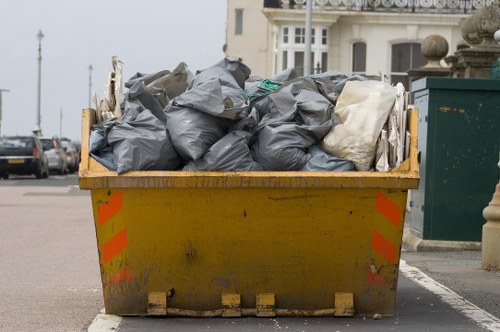
Understanding the different types of construction waste is the first step towards effective disposal. Common types include:
- Concrete: Often used in foundations and structures, concrete waste can be recycled into new construction materials.
- Wood: From framing to finishes, wood waste can be repurposed or recycled to reduce the environmental footprint.
- Metals: Steel, aluminum, and other metals can be recycled repeatedly without losing quality.
- Plastics: Used in various applications, plastic waste poses challenges but can be managed through specialized recycling programs.
Proper categorization of waste facilitates efficient sorting and recycling, minimizing the amount sent to landfills.
Regulations and Guidelines in Brockley
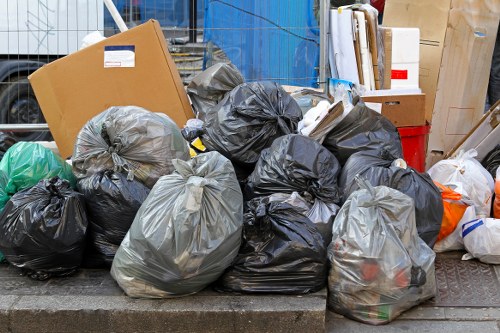
Brockley follows strict regulations for construction waste disposal to ensure environmental protection and public health. These guidelines are enforced by local authorities and include:
- Waste Segregation: Mandates the separation of different waste materials at the source to enhance recycling efforts.
- Recycling Requirements: Specifies the percentage of waste that must be recycled or reused, encouraging sustainable practices.
- Permit Systems: Requires construction companies to obtain permits for waste disposal, ensuring accountability and compliance.
- Penalties for Non-Compliance: Imposes fines and sanctions for improper disposal, deterring negligent practices.
Adhering to these regulations not only avoids legal repercussions but also contributes to a greener Brockley.
Methods of Construction Waste Disposal
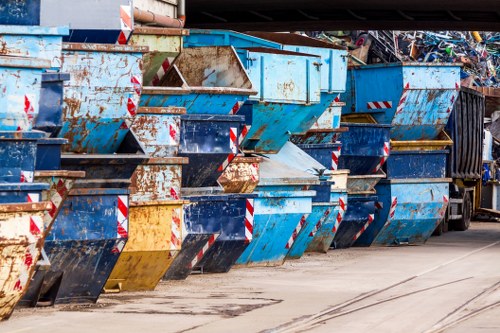
Several methods are employed in Brockley for disposing of construction waste, each with its advantages and considerations. Key methods include:
- Recycling: Materials such as concrete, metals, and wood are processed and reused in new construction projects, reducing the demand for virgin resources.
- Landfilling: Non-recyclable waste is transported to designated landfills, though this method is less favored due to environmental concerns.
- Composting: Organic waste like wood scraps can be composted, returning valuable nutrients to the soil.
- Waste-to-Energy: Some facilities convert waste into energy, providing a sustainable disposal option while generating power.
Choosing the appropriate disposal method depends on the type and volume of waste, as well as environmental and economic factors.
Benefits of Proper Waste Disposal
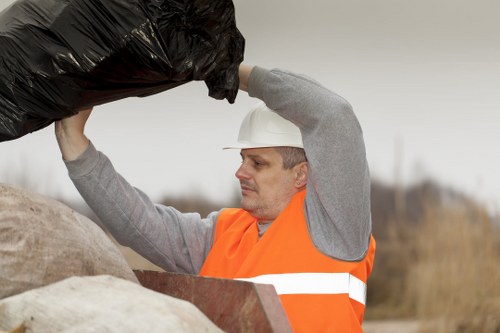
Implementing effective construction waste disposal practices offers numerous benefits to Brockley, including:
- Environmental Protection: Reduces pollution and conserves natural resources through recycling and reuse.
- Economic Advantages: Minimizes disposal costs and creates opportunities for recycling industries.
- Compliance and Reputation: Ensures adherence to regulations, enhancing the reputation of construction firms.
- Community Well-being: Maintains the cleanliness and aesthetic appeal of Brockley, improving the quality of life for residents.
By prioritizing waste disposal, construction projects contribute positively to the local environment and economy.
Challenges in Construction Waste Disposal
Despite the benefits, there are several challenges associated with construction waste disposal in Brockley:
- Cost: Recycling and proper disposal can be more expensive than traditional methods, posing financial constraints for some projects.
- Logistics: Coordinating the collection, transportation, and processing of waste requires meticulous planning and resources.
- Lack of Awareness: Not all construction professionals are fully informed about the best practices for waste management.
- Space Limitations: Limited availability of recycling facilities in Brockley can hinder efficient waste processing.
Addressing these challenges through community initiatives and incentives can enhance waste management efforts.
Strategies for Effective Waste Management
To overcome challenges, construction companies in Brockley can adopt several strategies for effective waste management:
- Waste Audits: Regularly assessing the types and quantities of waste generated helps identify areas for improvement.
- Training and Education: Providing training for workers on proper waste segregation and disposal techniques.
- Partnerships with Recycling Firms: Collaborating with local recycling companies ensures efficient processing of materials.
- Implementing Waste Reduction Plans: Designing projects with waste minimization in mind, such as using prefabricated materials.
These strategies not only streamline waste disposal but also promote a culture of sustainability within the construction industry.
Recycling Facilities in Brockley
Brockley hosts several recycling facilities that specialize in processing construction waste. These facilities play a pivotal role in transforming waste into reusable materials:
- Concrete Recycling Plants: Crush and process concrete debris for use in new construction projects.
- Metal Recycling Centers: Collect and melt down metals for repurposing into new products.
- Wood Recycling Facilities: Convert wood scraps into mulch, compost, or engineered wood products.
- Plastic Recycling Units: Process various plastics into pellets for manufacturing new items.
Utilizing these facilities helps reduce the environmental impact of construction waste and supports the local recycling economy.
Innovative Approaches to Waste Disposal
Innovative approaches are emerging in Brockley to enhance construction waste disposal:
- Modular Construction: Prefabricated components generate less waste on-site and facilitate easier recycling.
- 3D Printing: Reduces material usage by creating precise structures on demand.
- Green Building Practices: Incorporating sustainable materials and design to minimize waste.
- Digital Waste Tracking: Utilizing software to monitor and manage waste generation and disposal efficiently.
Embracing these innovations can lead to more sustainable and cost-effective waste management solutions.
The Role of Legislation in Waste Management
Legislation plays a crucial role in shaping construction waste disposal practices in Brockley. Key legislative aspects include:
- Waste Framework Directive: Establishes the hierarchy for waste management, prioritizing prevention, reuse, and recycling.
- Local Bylaws: Specific regulations tailored to Brockley’s needs, addressing waste collection schedules and disposal methods.
- Building Regulations: Incorporate waste management requirements into construction codes.
- Incentive Programs: Offer financial benefits for adopting sustainable waste practices.
Compliance with these legislative measures ensures responsible waste disposal and fosters a sustainable construction industry in Brockley.
Community Involvement in Waste Management
Engaging the community is essential for effective construction waste management. Community involvement in Brockley can be fostered through:
- Public Awareness Campaigns: Educating residents and businesses about the importance of proper waste disposal.
- Recycling Programs: Encouraging participation in local recycling initiatives.
- Volunteering Opportunities: Organizing community clean-up events to manage waste collectively.
- Feedback Mechanisms: Allowing residents to provide input on waste management practices and facilities.
Active community participation enhances the effectiveness of waste disposal strategies and promotes a cleaner, greener Brockley.
Technological Advancements in Waste Disposal
Advancements in technology are revolutionizing construction waste disposal in Brockley:
- Automation: Automated sorting systems improve the efficiency and accuracy of waste segregation.
- Smart Sensors: Monitor waste levels and optimize collection routes.
- AI and Machine Learning: Analyze waste patterns to enhance recycling processes and reduce disposal costs.
- Blockchain: Ensures transparency and traceability in the waste management supply chain.
Integrating these technologies can lead to more efficient and sustainable waste disposal practices.
Cost-Effective Waste Management Solutions
Managing construction waste costs effectively is vital for project profitability. Cost-effective solutions in Brockley include:
- Material Optimization: Minimizing waste by accurately estimating material needs and reducing over-ordering.
- Bulk Disposal Contracts: Negotiating deals with recycling facilities for bulk waste disposal can lower costs.
- On-Site Recycling: Implementing on-site recycling processes to reduce transportation and disposal expenses.
- Waste Audits: Identifying cost-saving opportunities through regular waste assessments.
Adopting these strategies helps construction firms manage waste efficiently while keeping costs in check.
Future Trends in Construction Waste Disposal
The future of construction waste disposal in Brockley is poised for significant transformation due to emerging trends:
- Circular Economy: Emphasizing the reuse and recycling of materials to create a closed-loop system.
- Zero Waste Construction: Aiming for minimal to no waste generation through precise planning and sustainable practices.
- Advanced Recycling Technologies: Innovations that allow for the recycling of even more types of construction materials.
- Green Certifications: Increased demand for buildings that meet high sustainability standards.
Staying ahead of these trends will ensure that Brockley remains at the forefront of sustainable construction waste management.
Choosing the Right Waste Disposal Service in Brockley
Selecting a reliable waste disposal service is crucial for effective construction waste management. Factors to consider in Brockley include:
- Reputation: Look for services with positive reviews and a history of reliability.
- Compliance: Ensure the service adheres to local regulations and environmental standards.
- Range of Services: Opt for providers that offer comprehensive waste management solutions, including recycling and disposal.
- Cost: Compare pricing to find a service that fits your budget without compromising quality.
- Customer Support: Choose services that offer excellent customer support to address any issues promptly.
Partnering with the right waste disposal service enhances the efficiency and effectiveness of your construction projects.
Environmental Impact of Construction Waste
The environmental impact of construction waste is a pressing concern in Brockley. Improper disposal can lead to:
- Soil and Water Contamination: Hazardous materials can leach into the soil and waterways, harming ecosystems.
- Increased Greenhouse Gas Emissions: Decomposing waste in landfills generates methane, a potent greenhouse gas.
- Resource Depletion: Disposing of recyclable materials reduces the availability of resources for future projects.
- Loss of Biodiversity: Landfills and waste processing facilities can disrupt local habitats and wildlife.
Addressing these impacts through responsible waste management practices is essential for preserving Brockley's natural environment.
Sustainable Practices for Construction Waste Management
Adopting sustainable practices in construction waste management benefits both the environment and the community. Key practices include:
- Design for Deconstruction: Planning buildings in a way that allows for easy disassembly and material reuse.
- Material Selection: Choosing eco-friendly and recyclable materials to minimize environmental impact.
- Efficient Resource Use: Utilizing resources judiciously to prevent excess waste generation.
- Life Cycle Assessment: Evaluating the environmental impact of materials throughout their life cycle.
Implementing these practices fosters a more sustainable construction industry in Brockley.
The Role of Education in Waste Management
Education plays a pivotal role in enhancing construction waste management practices. In Brockley, initiatives can include:
- Workshops and Seminars: Providing training for construction professionals on best practices in waste disposal.
- Educational Campaigns: Raising awareness among the general public about the importance of recycling and waste reduction.
- Collaborations with Educational Institutions: Partnering with schools and universities to promote research and innovation in waste management.
- Certification Programs: Offering certifications for professionals who demonstrate expertise in sustainable waste practices.
By fostering education, Brockley can cultivate a knowledgeable workforce and community committed to effective waste management.
Case Studies: Successful Waste Disposal Projects in Brockley
Examining successful waste disposal projects provides valuable insights into effective strategies. Notable case studies in Brockley include:
- The Brockley Eco-Project: A development that achieved zero waste through meticulous planning and comprehensive recycling efforts.
- Green Build Initiative: Implemented sustainable practices in multiple construction sites, significantly reducing waste generation.
- Community Recycling Drive: Engaged local residents and businesses in a coordinated effort to manage and recycle construction waste.
- Innovative Material Reuse: Pioneered the use of recycled materials in new construction, setting a benchmark for sustainability.
These projects demonstrate that with the right approach, effective construction waste disposal is achievable.
Conclusion: Building a Sustainable Brockley
Effective construction waste disposal is integral to building a sustainable and thriving Brockley. By understanding the types of waste, adhering to regulations, adopting innovative disposal methods, and engaging the community, we can minimize the environmental impact of construction activities.
Embracing sustainable practices not only benefits the environment but also enhances the economic and social well-being of Brockley. As the construction industry continues to grow, prioritizing waste management will ensure that Brockley remains a vibrant and eco-friendly community for generations to come.
Contact us today to learn more about how you can contribute to sustainable construction waste disposal in Brockley.